

Carried by 0 nurseries
View Availability at NurseryData provided by the participants of the Consortium of California Herbaria
View additional distribution information on the Jepson eflora
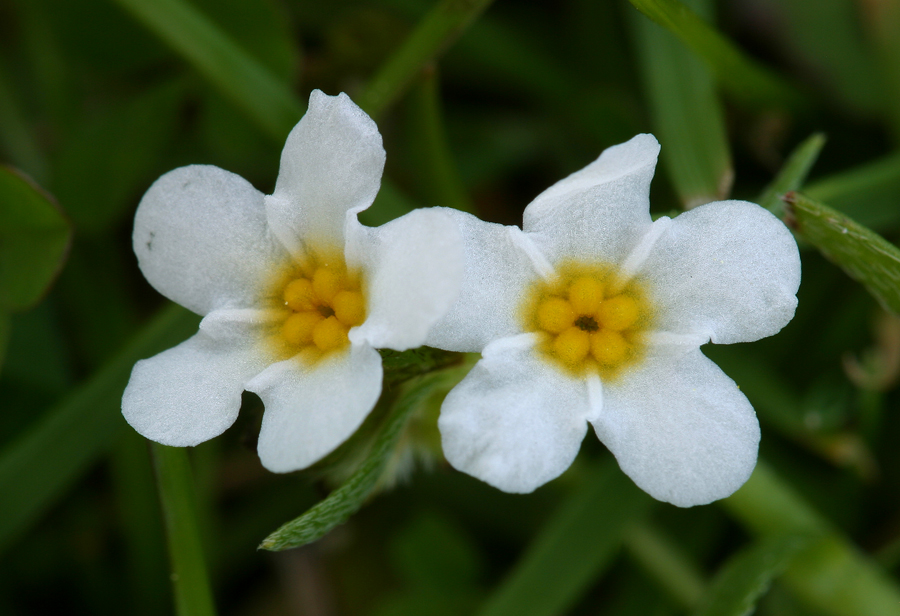
Plagiobothrys nothofulvus is a species of flowering plant in the boraginaceae family known by the common names rusty popcornflower and foothill snowdrops. It is native to western North America from Washington, and California, to northern Mexico. It is a spring wildflower in grassy meadows, woodlands, coastal sage scrub, and wetland-riparian habitats. Plagiobothrys nothofulvus is native to parts of the Pacific Northwest. It ranges from northern California and into southern Washington. Populations have been reported as far south as Baja California, Mexico and north to the Columbia River Gorge. Habitat. Grassy meadows, especially those along the coast, are the most common habitat for Plagiobothrys nothofulvus. It can also be found in woodlands, coastal sage scrub, and wetland-riparian habitats and are often associated with serpentine or plutonic soils. Other species that commonly grow in similar grassland habitats and are often associated with Plagiobothrys nothofulvus include Aster chilensis, Lotus angustissimus, Plantago lanceolata, Galium parisiense, Brodiaea terrestris, and other native herbs. Etymology. The scientific name of the rusty popcorn flower, Plagiobothrys nothofulvus, describes some of its key characteristics. Plagiobothrys refers to a sideways pit formed by the position of the nutlet attachment scar. Lagiobothrys nothofulvus is food for many different animals. Deer, ground squirrels, and insects often forage on the plant. Turtles will also feed on the flowers in riparian zones. Black seed-harvesting ants will eat the seeds of popcorn flowers. Species of beetles will use the flower as a breeding platform. Butterflies, moths, and bees drink its nectar as they pollinate the flowers. Ctenuchid moths are frequently found on the flowers, the importance of their interactions is currently unknown. Reproduction. The flowers of Plagiobothrys nothofulvus generally bloomfrom February - April. Plagiobothrys nothofulvus is a federally listed endangered species in Oregon. The major threat to Plagiobothry nothofulvus is habitat loss by the transformation of its historical range to agricultural land. The loss of seasonal wetlands by habitat degradation and changing climate as well as the introduction of invasive species also pose large threats to the rusty popcorn flower. Efforts to restore the population include establishing protected populations, saving seeds, providing education to land owners, and restoring natural habitats.
Annual herb
8 - 28 in Tall
Coastal Sage Scrub, Foothill Woodland, Valley Grassland, Wetland-Riparian
Butterflies and moths supported
1 confirmed and 0 likely