

Carried by 42 nurseries
View Availability at NurseryData provided by the participants of the Consortium of California Herbaria
View additional distribution information on the Jepson eflora
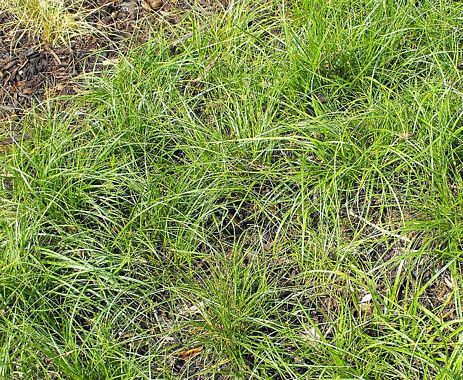
Sand Dune Sedge (Carex pansa) is a member of the Sedge family (Cyperaceae). It is a grass-like perennial with triangular blades and clusters of dark brown nutlets as flowers.
Butterflies and moths use Dune Sedge flowers for nectar. Small shore birds may use sedges and rushes for hiding and nesting.
Dune Sedge naturally grows in the Sand Dune plant community along the west coast.
Although this Sedge is sometimes recommended as a lawn substitute, it grows best in sandy soil, with regular water and no more than light foot traffic. Use Dune Sedge for coastal gardens with sandy soil and to create habitat for coastal wildlife.
Grass
8 - 16 in Tall
Evergreen
None

Cream, Brown
Containers, Deer resistant, Groundcover
Full Sun
Moderate
Max 1x / month once established
Moderate
Tolerates cold to 15° F
Fast, Medium
Prefers beach sand.
Soil PH: 4.0 - 8.0
4*, 5*, 17*, 24*
Coastal strand, dunes and other sandy areas from Ventura County northward
Coastal Strand
Can be used with other coastal strand plants such as Verbena (Abronia spp.), Beach Evening Primrose (Camissoniopsis cheiranthifolia), Silver Beachweed (Ambrosia chamissonis), Dune Manzanita (Arctostaphylos pungens), Coast Buckwheat (Eriogonum latifolium), and California Sealavender (Limonium californicum)
Butterflies and moths supported
0 confirmed and 6 likely
Common Ringlet
Coenonympha tullia
Olive Green Cutworm Moth
Dargida procinctus
Dun Skipper
Euphyes vestris