

Carried by 19 nurseries
View Availability at NurseryData provided by the participants of the Consortium of California Herbaria
View additional distribution information on the Jepson eflora
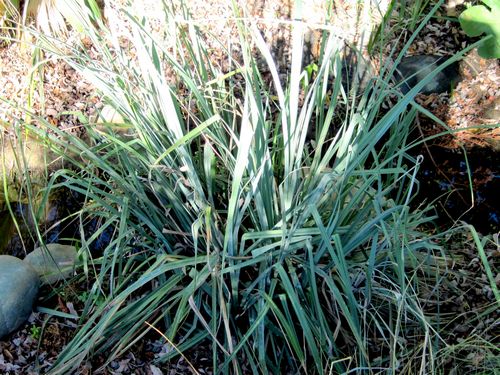
A species of sedge known by the common name San Diego sedge. It is native to the southwestern United States and far northern Mexico, where it grows in wet places, sometimes on serpentine soils. This sedge looks somewhat like a cattail. It produces angled stems easily exceeding a meter in height surrounded by leathery grey-green to reddish-green leaves (if drought stressed) up to about 1.2 meters long. The flower cluster is up to 80 centimeters long, with many long reddish brown flower spikes, each holding up to 300 developing fruits.
This is a easy and fast growing plant for full sun and heavy, moist soils. In even part shade, it tends to get weedy and unattractive. Needs plenty of water, so best to grow this in a sunny spot along a creek, seep or other naturally moist area, or in a regularly irrigated area.
Grass
2 - 4 ft Tall
2 - 4 ft Wide
Fountain
Fast
Evergreen
None

Yellow, Green, Brown
Containers, Deer resistant, Groundcover
Full Sun
Low, Moderate
Max 1x / week once established
Easy
Tolerates cold to -10 - 0° F
Slow
It is said to have a strong affinity to serpentine soils but is also found in other soil types.
Tolerates serpentine soil..
Soil PH: 5.0 - 7.5
7*, 8, 9, 14*, 15*, 16*, 17*, 19, 20*, 21*, 22*, 23*, 24*
Wet places
Bogs, Freshwater Marsh, Riparian Woodland, Southern Oak Woodland
Seep Monkeyflower, Cardinal Monkeyflower, Yerba Mansa (Anemopsis californica), Hedge Nettle, and Juncus spp.
Butterflies and moths supported
1 confirmed and 4 likely
Umber Skipper
Poanes melane
Common Ringlet
Coenonympha tullia
Olive Green Cutworm Moth
Dargida procinctus