

Carried by 49 nurseries
View Availability at NurseryData provided by the participants of the Consortium of California Herbaria
View additional distribution information on the Jepson eflora
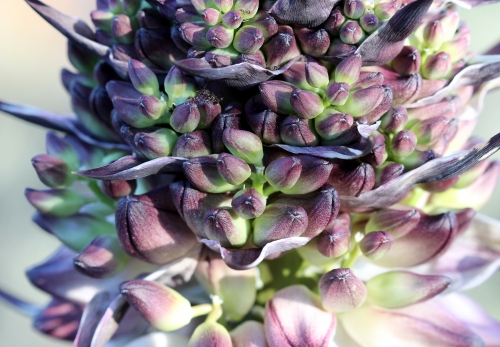
Chaparral yucca (Hesperoyucca whipplei) is a striking, drought-adapted plant known for its dramatic presence year-round and spectacular flowering display. The plant begins as a large, rounded rosette of silver-green, spiky leaves. When mature — typically after 5 to 6 years — it sends up an impressive flower spike that grows 10 to 15 feet tall in just a few weeks. The towering spike is covered with hundreds of bell-shaped flowers, ranging from white to pale purple, creating a stunning visual impact in the landscape.
Native to California and parts of Baja California, chaparral yucca thrives in chaparral, coastal sage scrub, and oak woodland plant communities at elevations of 950 to 8,200 feet. It is well-adapted to rocky, dry soils and plays an important ecological role in its native habitat.
Chaparral yucca forms an exclusive pollinator relationship with the California Yucca Moth (Tegeticula maculata), making it a fascinating example of co-evolution. The moth is the plant's sole pollinator and relies on the yucca for its life cycle. The moth collects pollen from the flowers and deposits it on another flower’s stigma while laying its eggs inside the ovary. The developing moth larvae feed on some of the yucca seeds, while others are left to grow and disperse.
After the flowers are pollinated, the yucca plant dies, a process known as monocarpic reproduction. However, the dried flower stalk often remains standing for several years, creating a natural sculpture in the landscape. New plants emerge from seeds or from offsets at the plant’s base.
Chaparral yucca is also known by several common names, including our lord’s candle, Spanish bayonet, Quixote yucca, common yucca, and foothill yucca. Despite its beauty, it is reportedly difficult to grow outside its native range. However, when planted in the right conditions, it provides a bold accent in native gardens, particularly when combined with rocks or other drought-adapted plants. Care should be taken to place the plant away from pathways, as its sharply pointed leaves can cause injury.
This iconic plant is a resilient symbol of California’s rugged chaparral landscapes, offering both ecological value and ornamental appeal.
Succulent
2 - 12 ft Tall
2 - 3 ft Wide
Fountain
Moderate
Evergreen
Slight

Purple, Pink, Cream, White
Spring
Deer resistant, Groundcover
Full Sun
Very Low, Low
Max 1x / month once established
Easy
Tolerates cold to 25° F
Fast
Prefers rocky soils.
Soil PH: 6 - 8
Pruning is not required; it may need to be removed, however, when it dies after flowering. If you have room, leave it to allow the Yucca moth larvae time to mature.
Easily propagated by seed. For propagating by seed: No treatment.
1, 2, 3, 7*, 8, 9, 10, 11, 12, 14*, 15*, 16*, 17, 18*, 19*, 20*, 21*, 22*, 23*, 24
Dry slopes
Chaparral, Creosote Bush Scrub, Joshua Tree Woodland
Mission Manzanita (Xylococcus bicolor), Spiny Redberry California Buckwheat, California Sagebrush (Artemisia californica)
Butterflies and moths supported
1 confirmed and 6 likely
Yucca Moth
Tegeticula maculata
Navel Orangeworm
Amyelois transitella
Yucca Giant-Skipper
Megathymus yuccae