

Think of weeds and pests as part of your garden’s ongoing journey, not the final product. Regular time in your garden helps you notice changes, try new approaches, and understand how everything is interconnected.

Weed and pest control

A change of mindset

Prevent weeds
Mulch (about three inches deep) is one of the best ways to suppress weeds. Groundcovers like Sonoma sage (Salvia sonomensis), hummingbird sage (Salvia spathacea), wild strawberry (Fragaria vesca), rooreh (Claytonia perfoliata), redwood sorrel (Oxalis oregana) in shade, alumroot (Heuchera spp.), low-growing ceanothus, and low-growing manzanita also help. Planting more densely shades out weeds naturally.

Identify weeds
Correct identification helps you choose the right removal method. Let weeds grow just enough to ID them, then look them up or use iNaturalist.

Remove weeds
Clear weeds (including roots and runners) before planting any new native landscape. Common methods include hand-pulling, mulching, and sheet mulching. Other techniques—like solarization or prescribed burning—are for larger or rural areas by trained individuals. Weed most actively around new plants, especially in spring. Over time, as roots interconnect, weeds will decline.

Protect your plants from mammals
Wild animals are part of the ecosystem; you just don’t want them damaging your native plants. For gophers, use wire baskets around the roots at planting. For deer and rabbits, protect young plants with cages, fencing, or netting until they mature. Quite a few plants remain susceptible to deer even when mature. Plant selection helps minimize this.

Preventing disease
Plant diseases may be biotic (fungi, bacteria) or abiotic (climate, pH, overwatering, herbicides pollutants). Right plant, right place is the best prevention, along with observing your garden to catch problems early.
If you suspect a native plant has a disease:
- Check Integrated Pest Management (IPM), by UC Agriculture & Natural Resources
- Share a sample (in a plastic bag) or several photos with your county’s Master Gardener program (home gardeners) or with your county’s Agriculture Department (professional growers).
Garden with insects, not insecticides
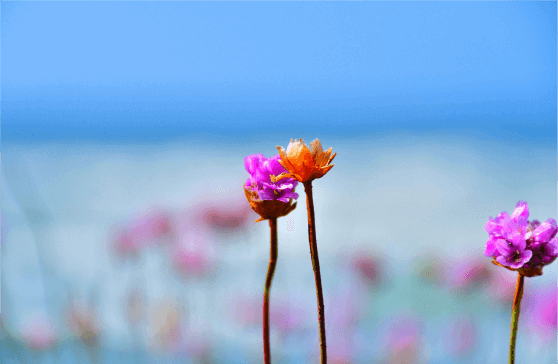

Watch: Getting Rid of Pests the Natural Way
Check out this helpful video from the popular Naturehood webinar series, hosted by the California Native Plant Society
Support Calscape!
Calscape is a free resource for the public, created by the non-profit California Native Plant Society. If you appreciate the tools, information, and advice you're finding here please consider making a donation today. Every gift makes a difference!