

Carried by 23 nurseries
View Availability at NurseryData provided by the participants of the Consortium of California Herbaria
View additional distribution information on the Jepson eflora
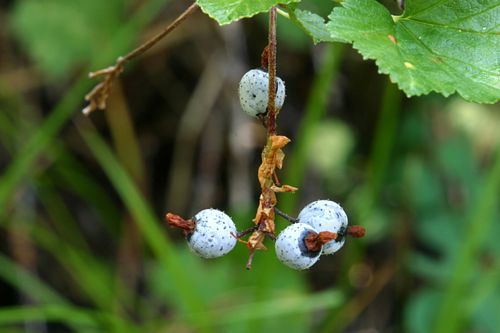
Sierra Currant (Ribes nevadense) is a native shrub in the Grossulariaceae (Currant/Gooseberry) family that grows primarily in the mountainous interior regions of the state. It is moderately fast growing and long-lived. It grows in a semi-upright form to a height of 6 feet, with active growth during the spring and summer. Flowers are red and striking, and bloom in the late spring. Leaves are medium green and deciduous. It tends to grow in open places, at elevations from 3,000-10,000 feet but is said to perform well at lower elevations. It is moderately drought tolerant but can also tolerate more water.
Shrub
6 ft Tall
3 ft Wide
Upright
Moderate
Winter Deciduous
Pleasant

Red, Pink
Spring
Deep Shade, Partial Shade
Moderate
Max 2x / month once established
Easy
Tolerates cold to -5° F
Fast
Tolerant of a variety of soils as long as adequate drainage is provided.
Soil PH: 5.0 - 7.0
For propagating by seed: 4 mos. stratification at 32°F ( USDA Forest Service 1974).
1, 2, 3, 4, 5, 6, 7*, 14, 15, 16, 17, 18
Openings in evergreen forests, occasionally in wetland-riparian areas
Lodgepole Forest, Red Fir Forest, Subalpine Forest, Yellow Pine Forest, Wetland-Riparian
Use in the understory of various trees including Fir (Abies spp.), Maple (Acer spp.), Alder (Alnus spp.), Manzanita (Arctostaphylos spp.), Incense Cedar (Calocedrus decurrens), Ash (Fraxinus spp.), Oak (Quercus spp.), Tanoak (Notholithocarpus densiflorus), Pine (Pinus spp.), and Bay Laurel (Umbellularia californica). Use with other shrubs such as Mahonia (Berberis spp.), Spicebush (Calyacanthus occidentalis), Ceanothus spp., Dogwood (Cornus spp.), Silk Tassel Bush (Garrya spp.), Mock Orange (Philadelphus lewisii), and Snowberry (Symphoricarpos spp.)
Butterflies and moths supported
0 confirmed and 83 likely
Milbert's Tortoiseshell
Aglais milberti
Western Avocado Leafroller Moth
Amorbia cuneana